

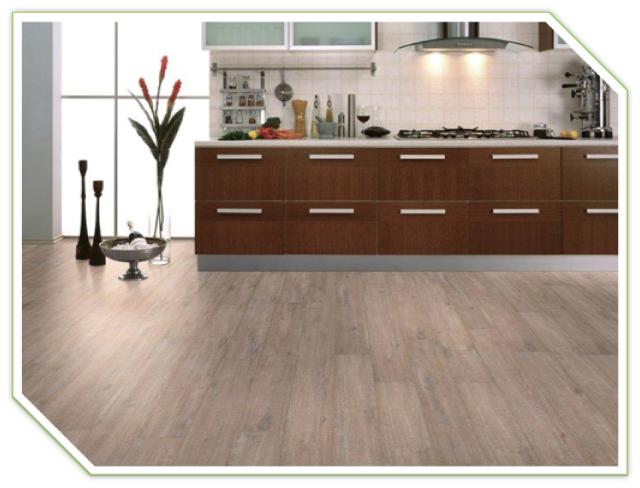
 Canadian winters can be picturesque, however they are tough on floors. Melting snow, road salt, sand and low indoor humidity can damage even the best floors over time. With a few simple habits, it is easy to keep your flooring in top shape until spring.
Quality laminate is another good contender. The tough wear layer stays very resistant to scratches, in many cases even more than other floors. Select a laminate with an AC4 or AC5 rating and good moisture protection for families with pets.
Indoor humidity is also critical. During the heating season, indoor air often becomes extremely dry, which causes natural wood to shrink and small gaps to form. Using a humidifier to maintain indoor humidity in a moderate range helps protect your floors and your health.
If you are shopping for LVP for your renovation, trAnSFEr-etAloN.RU take the time to compare wear layers and check colours at home. You will find many styles on this Canadian flooring retailer and find the right floor for your space.
If you live with pets and kids, you know that floors take a beating. Paws, toy cars and blocks, spills and muddy boots can stain the wrong floor in a few months. The good news: modern floor materials are designed to survive busy family life.
Today’s laminate flooring has come a long way significantly. Good laminate use detailed photographic layers and textured surfaces that look remarkably realistic. Its protective surface makes it resistant to scuffs and scratches, and it costs lower. A growing number of laminates also offer better moisture protection.
Ultimately, which one should you choose? When authentic material and the ability to refinish matter most, choose hardwood. If cost, durability and easy maintenance come first, laminate is a smart choice.
What about hardwood? Absolutely, though choose wisely. Harder species like oak, maple or hickory are more resistant, while wire-brushed textures and textured surfaces disguise small scratches far better than glossy floors.
What about hardwood in wet areas? Some modern laminates are a valid option for kitchens, provided that water is cleaned up right away. Engineered hardwood may also work in kitchens with caution, but in bathrooms, waterproof vinyl or tile stay the safer choices.
Luxury vinyl plank is the number one pick for busy homes. It is waterproof or highly water-resistant, meaning water bowls become easy to clean up. A durable top layer will help reduce scratches from claws, and its softer feel is less noisy for running feet and paws.
Everything starts at the entrance. Put a heavy-duty mat outside plus an absorbent mat inside the main entrances. This combination catches the majority of the salt and grit before it reaches the rest of the house. Use a boot rack to make sure wet boots aren’t left directly on the floor.
Natural hardwood is the classic choice. It offers natural character that no imitation fully matches, and it is often refinished more than once over the decades. This means quality hardwood will last a very long time. It also adds the value of a home in many markets.
If you are choosing wood flooring, two products usually come up first: laminate and hardwood. Each of them can look attractive, but they are very different when it comes to cost, performance and lifespan.
Canadian homes face significant changes in temperature and humidity throughout the year. During winter, heating systems dry out the air; in the warm months, humidity go up quickly. For wood flooring, this cycle often leads to cracks, cupping and noise.
That is exactly where engineered hardwood makes a difference. Instead of using one solid board, an engineered plank is built from multiple layers: a real hardwood top layer bonded to a stable core. That construction reduces the natural movement of wood.
Before buying, check the thickness of the top layer. A deeper wear layer means you can sanding and refinishing down the road, adding to the life of your floor. Remember to maintain humidity in a stable range all year long.
De-icing salt often leaves a hazy residue that can etch the protective layer of most floors. Wipe up salt marks promptly using a slightly damp cloth and a floor-specific cleaner. Stay away from soaking the floor on wood and laminate.
The outcome is simply a floor that looks identical to solid hardwood but stays more stable through the seasons. Since it moves less, engineered wood can often be installed in areas in which solid wood is a risk, including basements or over radiant heating.
Luxury vinyl plank and tile have quickly become a favourite for kitchens and bathrooms. Water-resistant cores ensure that standing water will not ruin the floor as long as you clean them up. Vinyl is also warmer under bare feet compared to stone, which is a real plus in the cold season.
Porcelain tile stay a classic choice. Tile is virtually waterproof, long-lasting and comes in endless designs, from wood-look planks to concrete-style finishes. Look for a slip-resistant finish for safety, and think about radiant heating for extra comfort.